Sage Schröder · 21 October 2026
Wind Tunnel Testing Guides Breezeway Placement Strategies in High-Rise Corridors
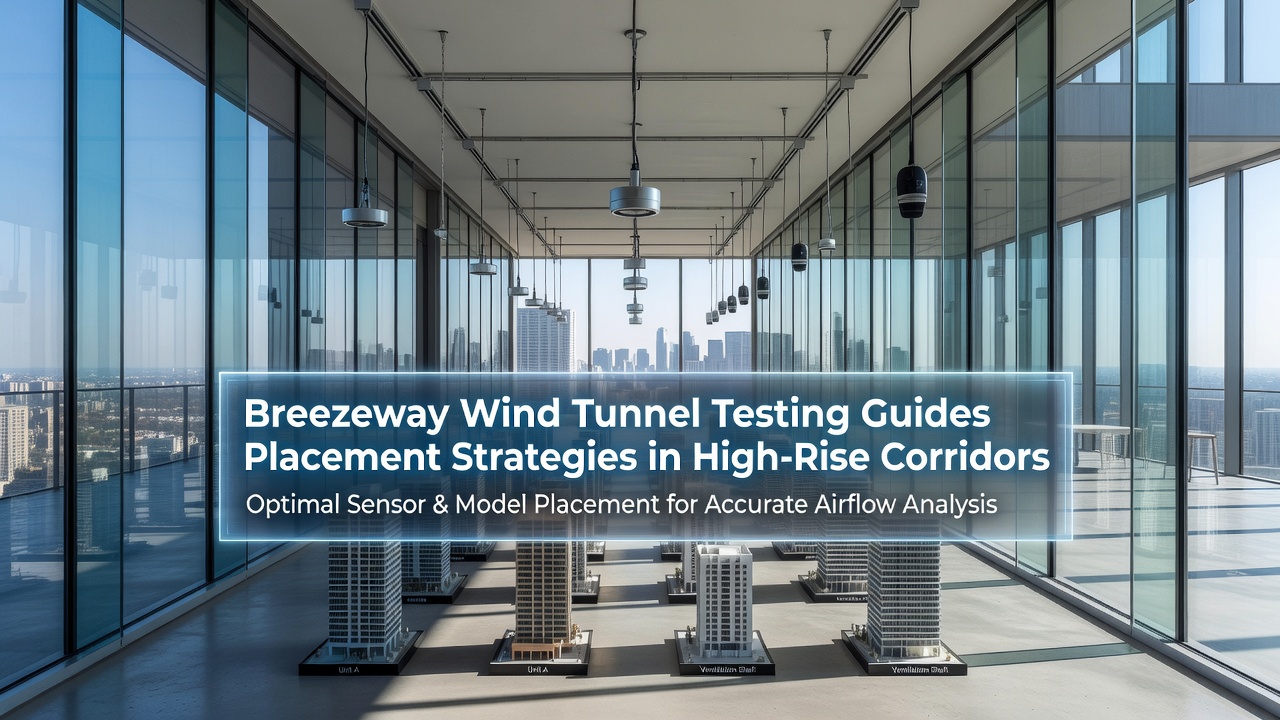
Wind tunnel testing provides engineers with precise data on airflow patterns around tall structures, and this information directly shapes where and how breezeways get positioned within high-rise corridors. Researchers at multiple facilities run scaled models through controlled wind environments to measure pressure differences, velocity profiles, and turbulence zones that affect occupant comfort along with structural loads.
Core Principles Behind Wind Tunnel Applications
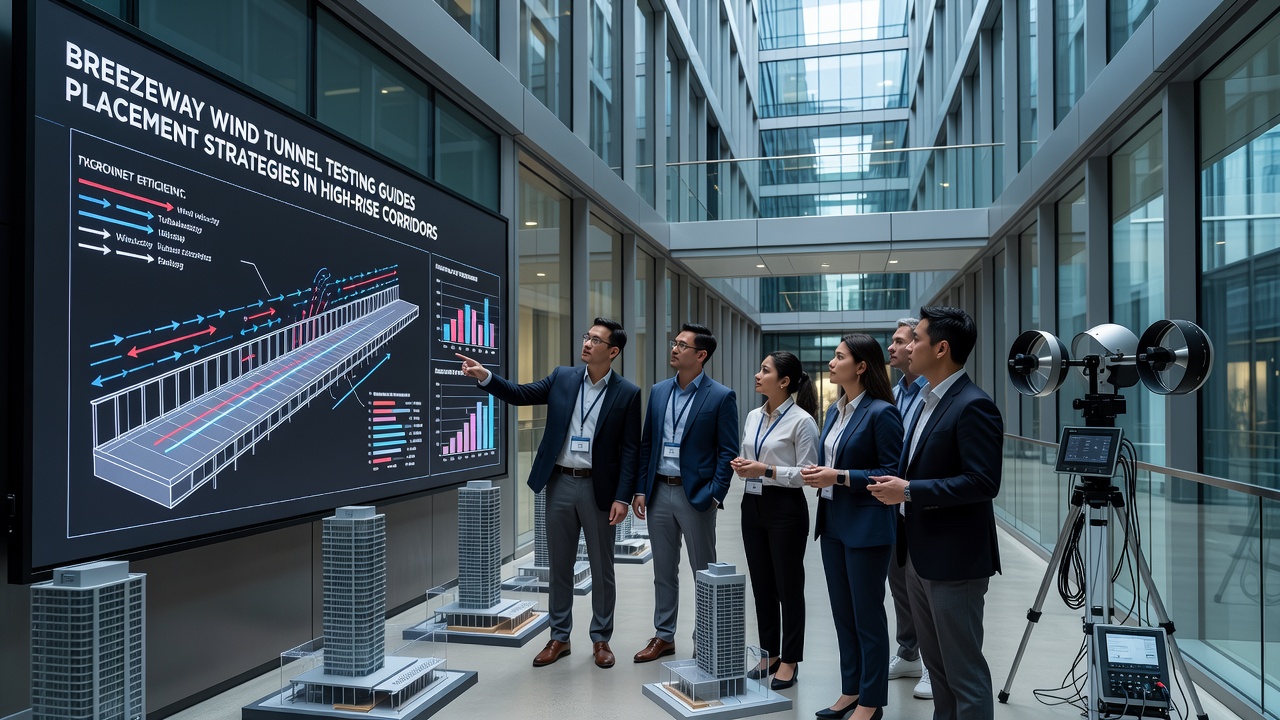
Engineers construct detailed physical models that replicate building geometry, surrounding topography, and proposed breezeway openings before subjecting them to boundary layer winds that mimic real urban conditions. Data collected during these sessions reveals how air accelerates through narrow passages or stagnates in enclosed zones, which guides decisions on corridor widths, floor levels, and orientations that optimize natural ventilation without creating excessive drafts.
Studies from wind engineering laboratories show that breezeway placements at mid-height levels often reduce overall building drag coefficients by 12 to 18 percent when testing accounts for prevailing wind directions across different seasons. Observers note that testing also identifies locations where cross-ventilation can offset mechanical cooling demands in adjacent office and residential spaces.
Placement Strategies Informed by Testing Results
Placement decisions start with identifying zones of high wind speed amplification along facade edges and then positioning breezeways to either harness or divert those flows. In one documented project, teams shifted corridor openings 15 degrees from the dominant wind axis after tunnel results indicated this adjustment would balance pressure on both sides of the structure while maintaining steady airflow rates above 0.5 meters per second in occupied areas.
Additional findings indicate that staggered breezeway arrangements on alternating floors minimize vortex shedding that can lead to lateral vibrations in slender towers. Those who've reviewed the datasets point out that combining wind tunnel outputs with computational fluid dynamics models allows for iterative refinements before construction begins, which cuts down on post-occupancy modifications.
Integration with Broader Building Systems
Wind tunnel data feeds into HVAC design by quantifying how much passive cooling breezeways contribute during peak summer months. Figures from recent campaigns reveal that properly placed openings can lower peak cooling loads by up to 22 percent in temperate climates when corridor layouts align with measured wind roses. Teams also use the same testing sequences to evaluate smoke extraction performance during fire scenarios, ensuring breezeways do not inadvertently channel smoke into escape routes.
Regional Variations and Regulatory Influences
Building codes in several jurisdictions now reference wind tunnel findings when approving high-rise designs that incorporate breezeways. Data compiled by the National Institute of Standards and Technology highlights differences in required testing protocols between coastal and inland sites, where wind profiles vary significantly. In Australia, similar guidelines from the Australasian Wind Engineering Society emphasize corridor placements that account for thunderstorm downbursts in addition to steady winds.
European projects draw on reports from the European Wind Energy Association to calibrate breezeway dimensions for mixed-use towers, and these efforts show measurable reductions in wind-induced noise levels inside corridors when openings receive strategic setbacks from main facades.
Emerging Trends Through 2026
Ongoing research programs continue to expand the dataset on how climate shifts alter wind patterns in dense urban cores, and results scheduled for presentation in October 2026 are expected to refine placement algorithms further. Engineers anticipate that updated models will incorporate machine learning interpretations of tunnel measurements to predict long-term performance across multiple wind climate scenarios.
Conclusion
Wind tunnel testing remains the primary tool for determining effective breezeway locations in high-rise corridors because it supplies measurable evidence on airflow behavior that cannot be fully replicated through desktop simulations alone. As projects incorporate these findings, building performance improves across ventilation efficiency, structural resilience, and occupant comfort metrics while meeting evolving regulatory expectations worldwide.