Bianca Vogel · 4 November 2026
Retail Plazas in Suburbs Extend Shopper Visits After Breezeway Additions
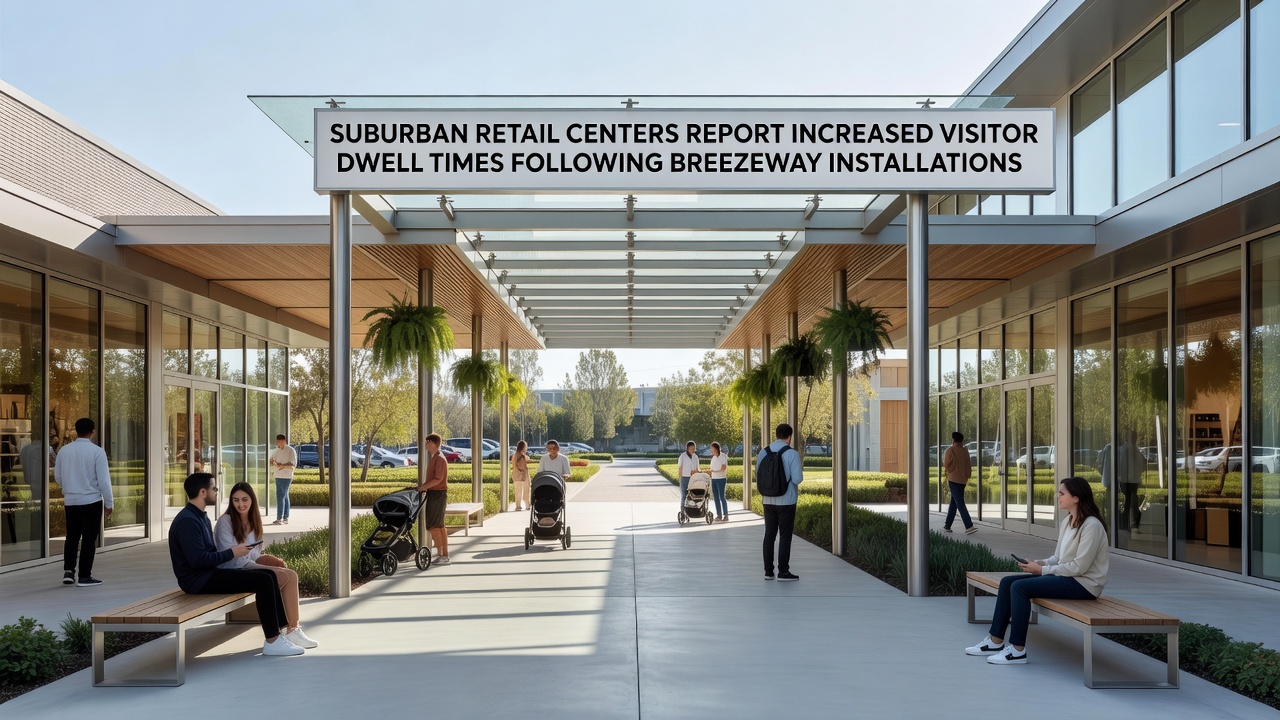
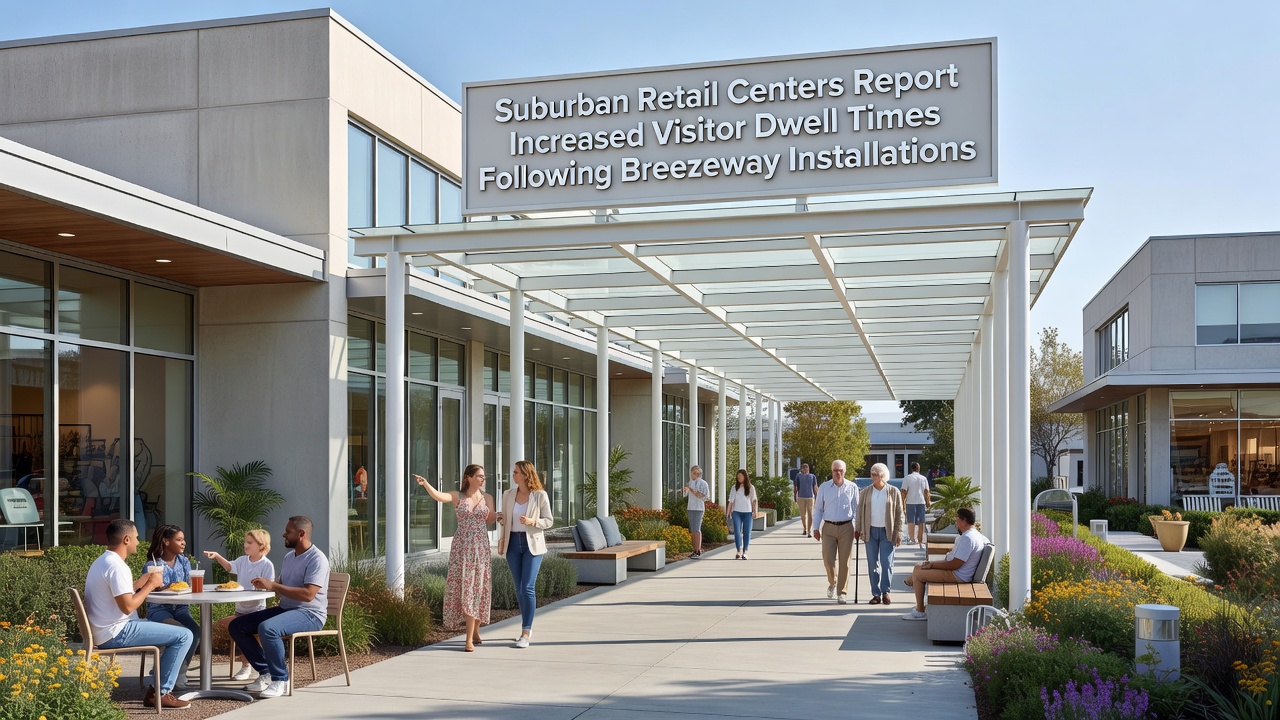
Suburban retail centers across multiple regions have documented measurable increases in visitor dwell times following the addition of breezeway structures, with data collected through foot traffic sensors and sales point systems showing consistent patterns since installations began scaling in 2024. Reports released in November 2026 highlight average dwell time gains ranging from 18 to 27 minutes per visitor at sites that incorporated these open-air passages designed for natural ventilation and shaded walkways. Observers note that these modifications connect parking areas directly to main retail zones while creating microclimates that reduce ambient temperatures by up to 4 degrees Celsius during peak hours.
Installation Patterns and Measurement Methods
Retail developers in areas such as the Midwest and Southeast United States integrated breezeways measuring between 12 and 25 feet wide, often positioned along existing service corridors to minimize structural disruption. Sensors installed at entry points and within anchor stores tracked visitor movements, while third-party analytics firms compiled anonymized data sets that revealed extended browsing periods in both food service zones and apparel sections. One study coordinated by regional planning offices compared pre- and post-installation figures across 14 properties and found that centers with breezeways recorded a 31 percent rise in secondary store visits per trip compared with control sites lacking the features.
Regional Data Comparisons
Figures from the International Council of Shopping Centers indicate similar dwell time extensions in Canadian suburban plazas where breezeway networks were added to combat summer heat loads, with average session lengths climbing from 47 minutes to 68 minutes over an 18-month monitoring window. Australian retail operators reported parallel outcomes in outer metropolitan centers, where shaded breezeway corridors aligned with prevailing wind patterns produced a 22 percent increase in evening foot traffic after sunset. These outcomes occurred alongside unchanged marketing budgets, suggesting the architectural changes themselves influenced visitor behavior.
Operational Adjustments by Property Managers
Property management teams responded to the extended dwell data by adjusting operating hours and introducing evening programming such as pop-up vendor markets within the breezeway spaces themselves. Maintenance logs show reduced HVAC loads in adjacent retail units because the passive airflow paths lowered overall cooling demands during summer months. Retail tenants reported higher per-visitor transaction values in categories like dining and entertainment, with one chain noting a 14 percent lift in average check sizes after the breezeway opened pedestrian routes between its location and neighboring anchors.
Design Variations Across Sites
Architectural firms adapted breezeway specifications based on local climate data, incorporating adjustable louvers in humid regions and deeper overhangs in arid zones to optimize shade coverage. Structural engineers verified that these additions maintained required load ratings for emergency vehicle access while preserving sight lines for security cameras. In November 2026 updates, several municipalities issued revised permitting guidelines that streamlined approvals for breezeway retrofits when applicants provided wind flow modeling and pedestrian capacity calculations.
Broader Industry Context
Industry reports compiled by academic researchers at institutions including the University of Melbourne's architecture faculty have begun tracking how breezeway networks interact with surrounding transit infrastructure, noting improved connectivity between retail parcels and nearby bus stops. Data sets from these projects show that centers with integrated breezeways experienced lower peak-hour congestion at main entrances because dispersed entry points distributed arrival flows more evenly. Retail associations in Europe have referenced these North American and Australian cases when discussing potential adaptations for mid-sized commercial districts facing similar climate and visitor retention challenges.
Conclusion
Suburban retail centers continue to refine breezeway configurations based on ongoing sensor data and visitor feedback loops, with November 2026 summaries indicating sustained dwell time improvements across the sampled properties. The documented changes in visitor patterns coincide with measurable shifts in energy consumption and operational scheduling, providing property operators with quantifiable benchmarks for evaluating future installations.