Bianca Vogel · 23 September 2026
Museum Curators Embrace Breezeway Designs to Protect Collections from Temperature Swings
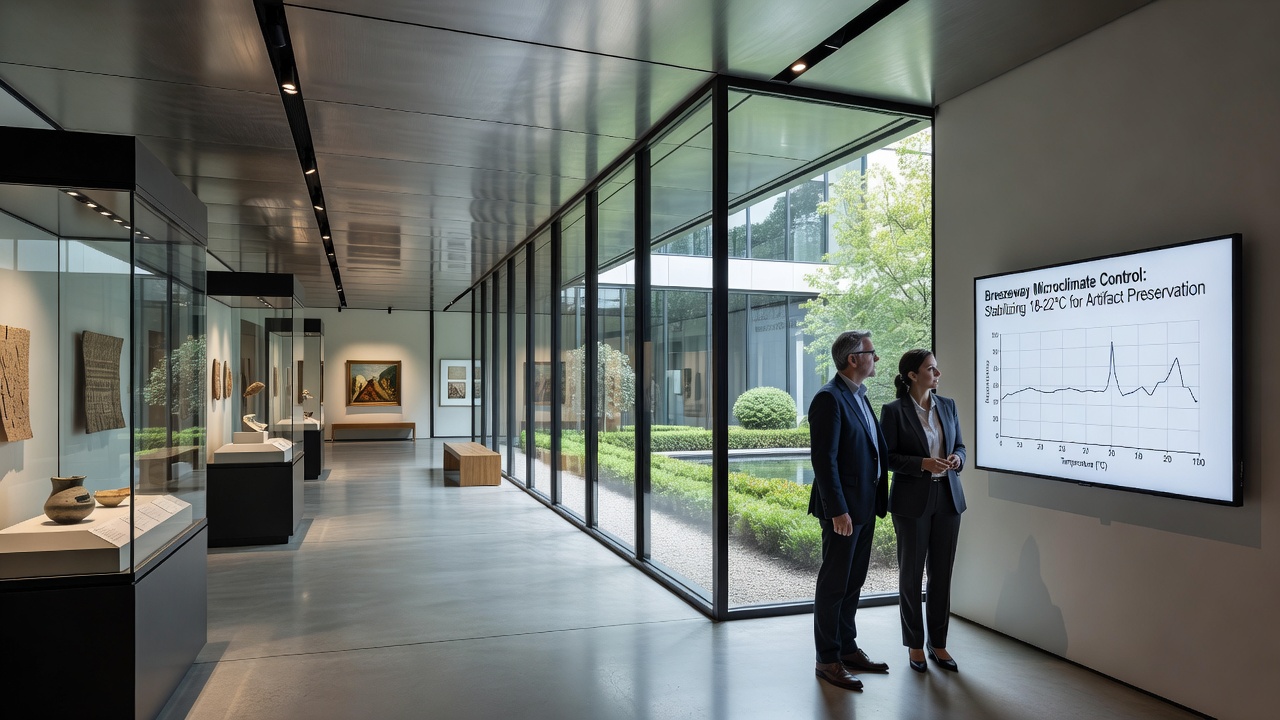
Institutions around the world have begun integrating breezeway architecture into museum facilities as a method for managing indoor climate variations that threaten sensitive artifacts; these open-air passages create natural ventilation paths that moderate temperature fluctuations without relying solely on mechanical systems.
Understanding Breezeway Applications in Cultural Heritage Settings
Traditional breezeways function as transitional spaces that connect separate building sections while permitting air to circulate freely, and curators have adapted this principle to address the specific challenge of protecting paintings, textiles, and organic materials from rapid humidity and heat changes that occur in sealed environments.
Research conducted by the Getty Conservation Institute shows that temperature swings exceeding five degrees Celsius within a twenty-four-hour period can accelerate deterioration in works on paper and wooden objects, whereas breezeway designs help distribute air more evenly across collection areas and reduce the frequency of such extremes.
Mechanisms Behind Temperature Stabilization
Breezeways achieve their effect through passive airflow that draws cooler air from shaded exterior zones into the building during warmer periods and allows warmer air to escape at night, creating a buffer zone that dampens the impact of external weather events on interior conditions.
Engineers note that these structures often incorporate adjustable louvers and strategic placement of vegetation to enhance evaporative cooling, while still maintaining security standards required for valuable collections; the approach has gained traction in facilities where energy costs for constant climate control have risen sharply in recent years.
Implementation Examples Across Regions
One European museum consortium completed a retrofit in 2025 that added breezeways between storage vaults and public galleries, resulting in recorded reductions in peak temperature deviations according to monitoring data collected over twelve months; similar projects have appeared in North American institutions facing comparable environmental pressures.
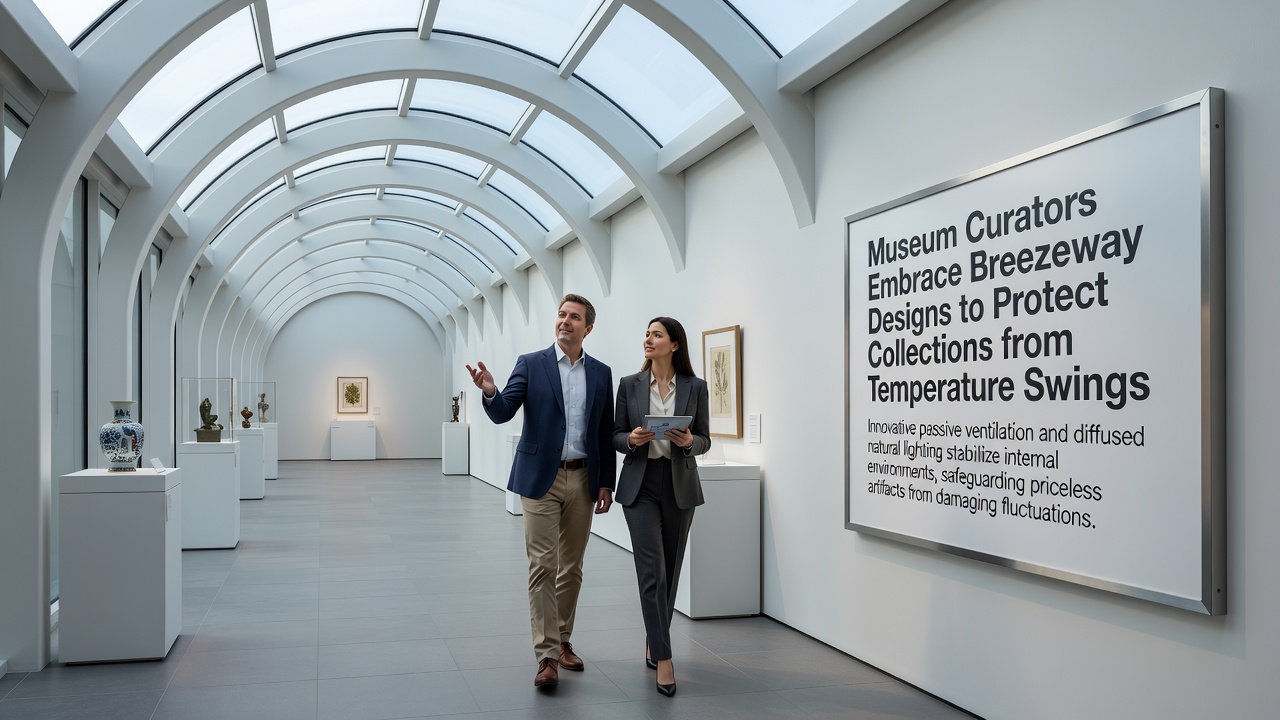
Canadian heritage sites have documented how breezeway corridors positioned along north-south axes capture prevailing winds more effectively, while Australian facilities have combined these passages with reflective roofing materials to limit solar heat gain during summer months.
Developments Anticipated for September 2026
International conferences scheduled for September 2026 will feature presentations on long-term performance metrics from breezeway-equipped museums, with organizers expecting attendance from curators representing over forty countries; preliminary reports indicate that institutions adopting these designs have reported lower instances of mold growth on organic collections compared with traditionally sealed buildings.
Data from the International Council of Museums indicates that passive ventilation strategies like breezeways complement existing HVAC systems rather than replace them entirely, allowing facilities to maintain precise control during extreme weather events while reducing overall energy consumption during moderate seasons.
Technical Considerations for Design Integration
Architects working with museum teams must balance airflow benefits against security requirements and pest management, often incorporating fine mesh screens and motion sensors within breezeway structures to prevent unauthorized access while preserving the ventilation advantages.
Studies from university engineering departments have examined airflow patterns using computational modeling, revealing that breezeway width and height ratios significantly influence how effectively temperature gradients dissipate across connected spaces; these findings guide new construction and renovation projects currently underway.
Conclusion
Museum professionals continue to explore breezeway designs as one component of broader climate resilience strategies for cultural collections, with ongoing monitoring programs expected to yield additional performance data in coming years. The approach connects architectural traditions with modern conservation needs by leveraging natural environmental processes to support artifact preservation across diverse geographic locations.