Sage Schröder · 7 October 2026
Data Centers Embrace Breezeway Designs to Lower Energy Use and Hit Efficiency Benchmarks
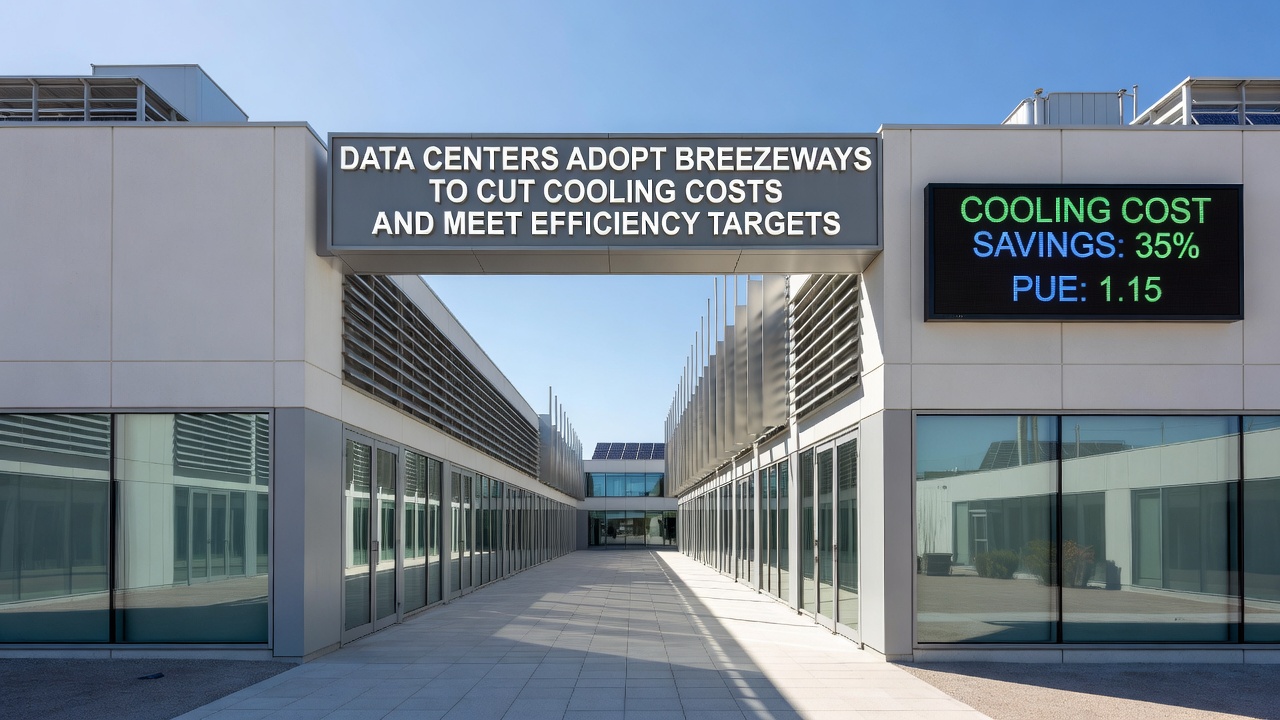
Data centers consume vast quantities of electricity to maintain optimal temperatures for servers and networking equipment, yet facility operators across multiple continents have begun incorporating breezeway structures into new builds and retrofits because these open-air passages promote natural ventilation that supplements or replaces portions of traditional HVAC systems.
Engineers design breezeways as strategic corridors between server halls or along facility perimeters, and these channels channel prevailing winds through the building envelope while expelling hot exhaust air without additional mechanical assistance. Research from the U.S. Department of Energy indicates that cooling accounts for up to 40 percent of total power draw in many facilities, and breezeway adoption directly targets that share by leveraging ambient conditions instead of constant compressor operation.
Design Principles Behind Data Center Breezeways
Architects calculate wind patterns, humidity levels, and seasonal temperature swings before positioning breezeways, and they often orient these passages to capture consistent airflow from prevailing directions while avoiding direct exposure to dust or pollutants that could compromise sensitive equipment. Computational fluid dynamics modeling helps predict how air will move through the structure, and operators report measurable drops in chiller runtime once the passive systems come online.
Facilities in arid regions gain particular advantage from this approach because dry air absorbs heat more readily, whereas coastal or humid locations require additional dehumidification stages integrated into the breezeway path. In October 2026, several large-scale campuses in the southwestern United States completed breezeway retrofits that achieved documented reductions in cooling energy between 18 and 27 percent according to post-installation monitoring data.
Regulatory and Corporate Efficiency Targets
Government mandates and voluntary corporate goals increasingly require data center operators to demonstrate year-over-year improvements in power usage effectiveness, and breezeway installations provide one verifiable method for meeting those benchmarks without expanding physical footprints. The European Commission tracks data center energy performance across member states through its energy efficiency reporting framework, and several operators cite breezeway projects as contributing factors in their compliance submissions.
Meanwhile, the Australian Renewable Energy Agency has published case studies on facilities that combined breezeways with on-site solar arrays, and those hybrid approaches further lowered grid dependence during peak demand periods. Observers note that such combined strategies help companies avoid penalties tied to emissions thresholds while maintaining uptime guarantees demanded by clients.
Implementation Challenges and Solutions
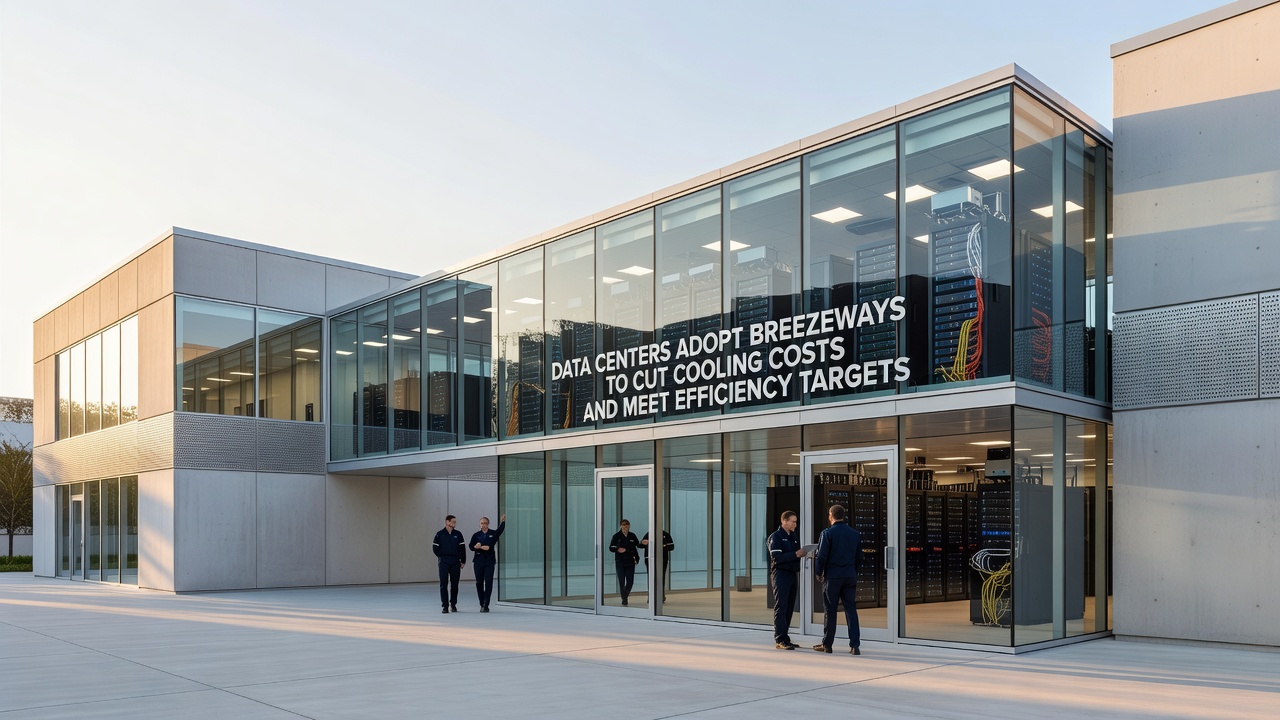
Integrating breezeways into existing data centers presents structural hurdles because many older buildings were constructed without provisions for large-scale natural ventilation, yet modular breezeway kits now allow phased installation that minimizes downtime. Engineers reinforce floor slabs and install weatherproof louvers that close automatically during extreme weather events, and these safeguards protect equipment integrity while preserving the energy-saving benefits during normal operation.
Fire suppression systems require redesign when breezeways are added because open airflow paths can influence smoke movement, and facilities address this by installing zoned detection coupled with rapid-closing dampers that maintain containment standards. Maintenance teams also adapt cleaning schedules to account for increased dust ingress through the new passages, although filtration improvements have kept particulate levels within manufacturer tolerances.
Global Adoption Patterns
Operators in Nordic countries have paired breezeways with free-air cooling for much of the year, and this combination leverages consistently low ambient temperatures to further reduce mechanical load. In contrast, facilities in Southeast Asia incorporate evaporative elements within breezeway designs to offset higher humidity while still achieving net energy reductions compared with fully sealed environments.
Industry reports compiled by the International Energy Agency highlight that data center electricity demand continues to rise with AI workloads, and passive strategies such as breezeways form part of broader portfolios aimed at containing that growth. Multiple operators have published performance dashboards showing sustained improvements after breezeway commissioning, and these datasets feed into ongoing academic studies examining long-term reliability.
Conclusion
Data centers continue to evolve their cooling strategies as energy costs and regulatory requirements intensify, and breezeway adoption represents one measurable pathway toward lower operational expenses alongside compliance with efficiency mandates. Ongoing monitoring and iterative design refinements allow facilities to balance the benefits of natural ventilation against the need for equipment protection, resulting in documented gains across diverse climates and regulatory jurisdictions.